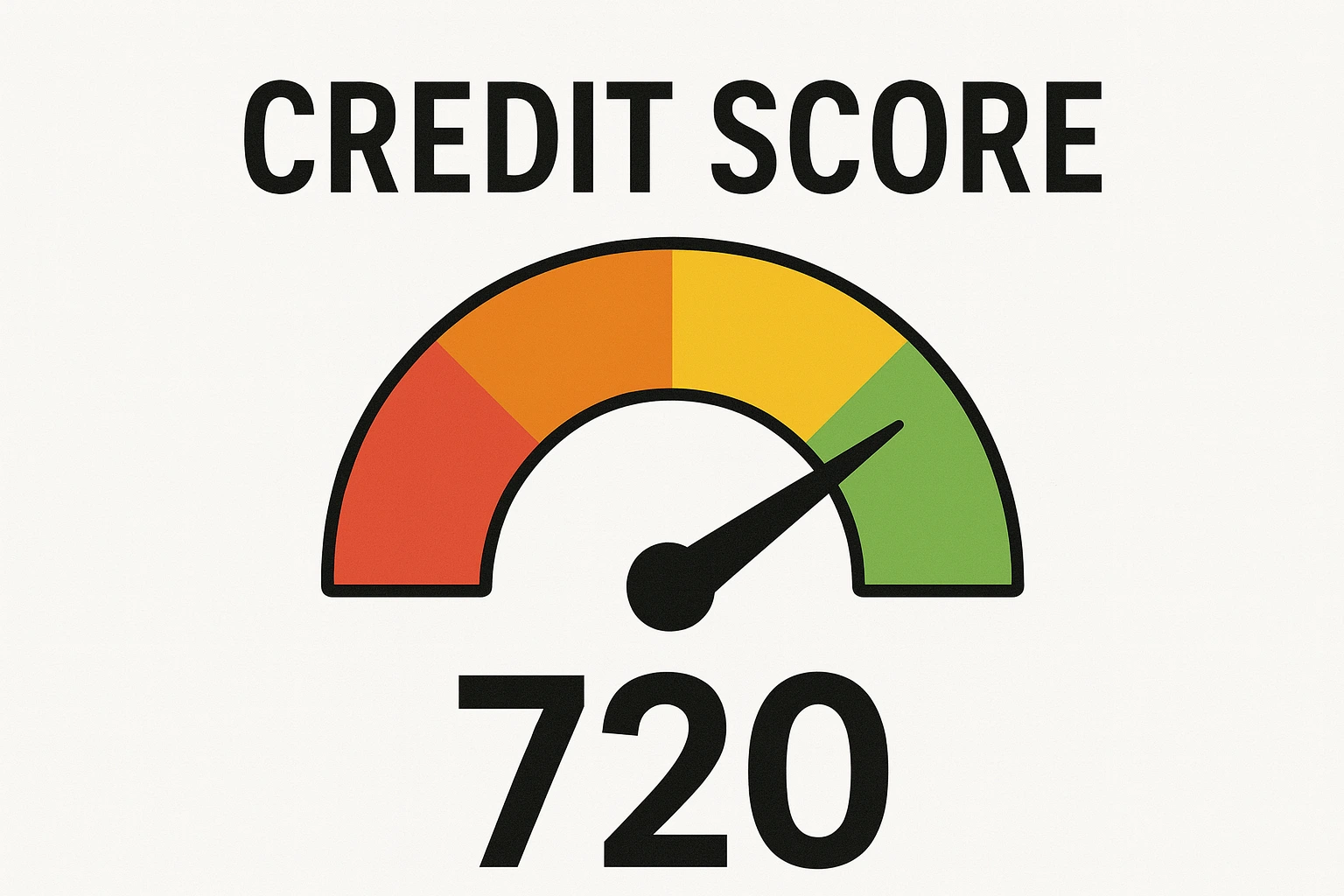
Daily Credit Mistakes Americans Don’t Realize They Make
Millions of Americans are trying to improve their credit scores, yet many do not realize that everyday habits—small, seemingly harmless behaviors—are quietly lowering their scores month after month. These daily credit mistakes often go unnoticed because they are subtle, misunderstood, or never properly explained. The search intent is clear: people want to understand the credit mistakes Americans make daily and how to avoid them so their scores can rise smoothly.
Credit scoring systems reward consistency, responsibility, and healthy financial patterns. But when these patterns break, even in small ways, scores decline. The biggest challenge is awareness—because most Americans don’t realize their normal habits are interpreted negatively by credit scoring algorithms.
This article breaks down the most common credit mistakes Americans make every day without realizing it—and shows how simple changes can reverse years of damage.
Why Small Credit Mistakes Matter More Than People Think
Many Americans assume credit scores only fall when they miss big payments or accumulate high debt. But in reality, credit scoring models track dozens of tiny behaviors that influence creditworthiness over time.
The most common everyday mistakes include:
-
Paying bills too close to the due date
-
Carrying small balances without knowing utilization rules
-
Closing old accounts
-
Applying for credit during the wrong time
-
Ignoring reporting dates
-
Letting one bill slip into “late” status
-
Using credit emotionally instead of strategically
None of these seem dramatic in the moment—but scoring models see them as patterns that reflect financial risk.
Understanding these patterns is the key to improving credit.
Mistake #1 — Paying Bills on the Due Date Instead of Before It
Most Americans believe that paying on the due date counts as “on time.” While technically true, this habit has hidden risks.
Why This Hurts Your Credit
If anything goes wrong—bank delays, card processing issues, system errors—your payment may post late. The difference of hours can become a 30-day late payment, which damages your score significantly.
Small Change That Fixes Everything
Pay 3–5 days early.
Or use autopay for minimums and pay extra manually.
This one habit alone protects the most important piece of your credit score: payment history.
Mistake #2 — Using Too Much Available Credit Without Realizing It
Utilization—how much of your credit limit you’re using—is the second most important factor in your credit score.
Even if you pay your balance in full each month, your score can drop if your balance is high on the day the lender reports it.
Why This Happens
Most people don’t know lenders report balances before the due date.
What This Means
You might use your card responsibly…
…but if they report a high balance, the scoring system interprets it as financial stress.
How to Fix It
-
Pay before the statement closing date, not the due date
-
Make mid-month payments
-
Keep usage under 30%, ideally under 10–15%
-
Spread purchases across multiple cards if necessary
Even a single month of lowered utilization can significantly raise your score.
Mistake #3 — Closing Old Accounts That Are Helping Your Score
Many Americans close old cards because:
-
They don’t use them
-
They want to “declutter” their finances
-
They believe it helps credit
But closing old accounts is one of the most common silent credit killers.
Why Closing Accounts Hurts
-
Your credit age decreases
-
Your available credit shrinks
-
Your utilization increases
-
Your overall profile weakens
The Fix
Unless the card charges an annual fee, keep old accounts open and use them once every few months.
Mistake #4 — Only Making One Payment Per Month
Most Americans pay their credit cards once per month—usually on or near the due date. But this creates hidden credit problems.
How One Payment Hurts You
-
Balances spike in the middle of the month
-
Utilization appears high on reporting dates
-
Scores drop even if you pay in full
The Fix: Two or Three Small Payments
-
Pay mid-month
-
Pay the day before the statement closes
-
Pay again before the due date
This keeps utilization low and score growth steady.
Mistake #5 — Ignoring Credit Reports for Months or Years
Millions of Americans never check their credit reports, assuming things are fine. But credit reports often contain errors that damage scores.
Common Errors Include:
-
Incorrect late payments
-
Wrong balances
-
Accounts showing as open when closed
-
Duplicate accounts
-
Fraud or identity theft
Fixing Errors Can Boost Your Score Fast
A quick dispute can remove false negatives.
The Habit to Adopt
Check your credit report every month, not once a year.
Mistake #6 — Applying for Too Much Credit at Once
Some Americans apply for multiple credit cards within weeks—especially during financial stress. But every application triggers a hard inquiry.
Why Hard Inquiries Matters
-
Each inquiry lowers your score temporarily
-
Too many inquiries signal desperation
-
Banks may automatically deny you
How to Avoid This Mistake
Space out applications by 6 months or more.
Only apply when you have a plan.
Mistake #7 — Letting Small Balances Carry Over Month After Month
Even small balances like $15 or $20 can harm your score if they remain unpaid.
Why Small Balances Hurt
Credit scoring models don’t measure the amount, they measure the behavior.
A lingering balance signals poor financial discipline.
The Fix
Clear small balances frequently—preferably weekly.
Mistake #8 — Paying Only the Minimum Without Realizing the Cost
Many Americans think paying the minimum is “responsible.” But minimum payments drastically increase long-term costs.
Why This Hurts You
-
Interest compounds daily
-
Debt lasts longer
-
Utilization stays high
-
Score growth slows
The Fix
Always pay more than the minimum—even $10–$50 extra makes a difference.
Mistake #9 — Not Knowing the Statement Closing Date
Most Americans assume the due date is the most important date. But the statement closing date is what determines the balance reported to credit bureaus.
Why This Matters
Even if you plan to pay in full, a high balance on the closing date hurts your credit.
The Fix
Pay before the closing date, not after.
Mistake #10 — Allowing Bills to Become 30 Days Late
A bill that’s a few days late doesn’t hurt your score—but a bill 30 days late destroys it.
Why Americans Accidentally Hit 30 Days Late:
-
They forget
-
They misinterpret due dates
-
They assume grace periods apply
-
They rely on email reminders that never come
-
They think autopay is turned on when it’s not
Fixing This Mistake
-
Use autopay for minimums
-
Set physical and digital reminders
-
Pay bills as soon as they appear—not on the due date
Mistake #11 — Using Credit Emotionally Instead of Strategically
Credit is a tool—not a lifeline. But many Americans use credit emotionally:
-
Stress spending
-
Impulse purchases
-
Retail therapy
-
Small indulgences that accumulate
Why This Hurts Credit
Impulse usage increases balance volatility, resulting in:
-
Higher utilization
-
Missed payments
-
Long-term debt
The Fix
Only use credit for controlled, planned purchases you can pay off fully.
Mistake #12 — Opening Store Cards for Discounts
Store cards often have high interest, low limits, and aggressive marketing. Many Americans open them at checkout for small savings—then regret it.
Why Store Cards Hurt Credit
-
Low limits increase utilization
-
High interest leads to debt
-
They create unnecessary inquiries
The Fix
Never open a store card impulsively.
If you need a new card, choose one with strong long-term value.
Mistake #13 — Not Building Credit Early Enough
Many Americans try to build credit after they need it. But credit scores grow slowly.
Why This Hurts
You need years of credit age to build excellent scores.
The Fix
Start credit building early—even at 18—with:
-
Secured cards
-
Credit builder loans
-
Authorized user accounts
Mistake #14 — Not Having Even a Small Emergency Fund
Credit scores drop when people use credit cards for emergencies. Without savings, emergency expenses become high-interest debt.
The Fix
Build a small emergency fund:
-
$10–$20 weekly
-
Spare change
-
Round-up savings
Even $500 protects credit.
Mistake #15 — Letting Emotions Drive Money Behavior
Anxiety, stress, fear, and confusion can lead to poor decisions like:
-
Ignoring bills
-
Avoiding statements
-
Overspending
-
Delaying payments
The Fix
Track everything weekly.
The more clarity you have, the less fear you feel.
Credit Health Is Built Through Daily Awareness
Improving your credit does not require drastic changes. It requires awareness—clear understanding of daily habits that strengthen or weaken your financial profile.
When Americans learn to:
-
Pay early
-
Keep balances low
-
Check reports
-
Maintain old accounts
-
Avoid impulsive applications
-
Track spending
Their credit scores rise steadily.
Daily habits become long-term financial power.
Mistake #16 — Ignoring Small Due Dates for “Non-Credit” Bills
Most Americans assume only credit cards and loans affect their credit. But many non-credit bills can damage your score if they go unpaid long enough. These include:
-
Phone bills
-
Utility bills
-
Internet bills
-
Medical bills
-
Parking tickets
-
Subscription services
-
Rent (in some cases)
How This Hurts Your Credit
If these bills become long overdue, companies may send them to collections—even if the original due amount was small.
A $40 unpaid bill can damage your credit more than a $4,000 credit card balance.
The Fix
Treat every bill like a credit bill:
-
Track all due dates
-
Never ignore small balances
-
Set reminders or autopay
Small bill discipline protects credit long-term.
Mistake #17 — Underestimating the Power of Credit Age
Many Americans become frustrated when their credit score doesn’t rise quickly—even when they do everything right. Often the issue is credit age.
What Americans Don’t Realize
Credit age grows slowly, and new accounts lower the average age every time.
Why Credit Age Matters
Lenders trust borrowers with long-standing accounts. A credit file that is “too young” limits:
-
Loan approvals
-
Interest rate options
-
Credit card upgrades
The Fix
-
Keep old accounts open
-
Avoid unnecessary new accounts
-
Build early and wait patiently
Credit age requires time—not effort.
Mistake #18 — Forgetting That Rent Can Be Reported to Credit Bureaus
Most Americans don’t know that rent can now be reported as a credit-building tool through rent-reporting services.
Why This Mistake Matters
Not reporting rent means missing out on the opportunity to build years of payment history.
The Fix
Use rent-reporting services to add:
-
Monthly payments
-
Long-term history
-
Positive credit behavior
This is especially helpful for renters with limited credit.
Mistake #19 — Thinking “No Credit” Is Better Than “Low Credit”
Many people avoid credit completely because they fear debt. But no credit is often worse than poor credit.
Why “No Credit” Is a Mistake
Lenders view a lack of credit as an inability to prove financial responsibility.
Consequences of No Credit
-
Higher insurance rates
-
Difficulty renting
-
Loan denials
-
Higher interest rates
-
Limited financial opportunities
The Fix
Build credit early using:
-
Secured cards
-
Credit builder loans
-
Authorized user accounts
Mistake #20 — Paying Everything With Debit Instead of Credit
Many Americans prefer debit cards because they fear debt, but overusing debit prevents credit building.
The Hidden Problem
Debit card use:
-
Does NOT build credit
-
Does NOT improve credit history
-
Does NOT protect you from fraud as strongly as credit cards
The Fix
Use credit for:
-
Gas
-
Groceries
-
Bills
-
Small planned purchases
Pay the balance off immediately.
Mistake #21 — Paying Off One Card Using Another Card
Some Americans use one credit card to pay another, usually through cash advances or balance transfers without understanding the terms.
Why This Is a Mistake
-
Cash advances have high fees
-
Interest starts immediately
-
Utilization increases
-
Debt spiral risk increases
The Fix
-
Only use balance transfers with 0% intro offers
-
Build an emergency fund
-
Avoid relying on credit to pay credit
Mistake #22 — Not Tracking Authorized User Activity Carefully
Adding someone as an authorized user (or being one) can improve credit—but also silently damage it.
How This Hurts
If the primary user:
-
Misses a payment
-
Maxes out their card
-
Opens risky accounts
You inherit part of their risk.
The Fix
-
Only join responsible accounts
-
Monitor balances
-
Set strict spending rules
Mistake #23 — Disputing Accurate Information
Some Americans dispute accurate info hoping to boost their score. But this can backfire.
Why It Hurts
Disputes may temporarily freeze accounts or cause lenders to view your profile as unstable.
The Fix
Only dispute:
-
Fraud
-
Mistakes
-
Wrong dates
-
Inaccurate balances
-
Accounts that don’t belong to you
Mistake #24 — Letting Emotions Influence Credit Decisions
Financial stress can lead to impulsive actions like:
-
Closing accounts in frustration
-
Applying for high-limit cards emotionally
-
Overspending for comfort
-
Avoiding statements due to fear
The Fix
Use structured habits instead of emotional reactions:
-
Weekly check-ins
-
Auto payments
-
Spending limits
-
Savings rules
Mistake #25 — Paying Bills in Random Order
Many Americans pay whatever bill they remember first, but this causes:
-
Late fees
-
Missed payments
-
Higher utilization
-
Stress
The Fix
Create a bill hierarchy:
-
Credit cards
-
Loans
-
Rent
-
Utilities
-
Insurance
-
Subscriptions
Always pay the most time-sensitive bills first.
Mistake #26 — Not Understanding How Credit Inquiries Work
Many people panic when they see a hard inquiry, but misunderstanding inquiries causes further mistakes.
What People Forget
-
Hard inquiries stay for 2 years
-
They affect scores most for 12 months
-
Soft inquiries do NOT hurt your score
The Fix
Plan applications strategically—never impulsively.
Mistake #27 — Assuming All Credit Cards Are the Same
Not all credit cards operate the same way. Differences include:
-
Reporting schedules
-
Limits
-
Interest rates
-
Rewards
-
Payment posting times
-
Balance transfer rules
How This Hurts
Using every card the same way results in surprises like:
-
Unexpected interest
-
High utilization
-
Missed payment windows
The Fix
Learn the rules of each card individually.
Mistake #28 — Forgetting That Credit Health Is a Long-Term Game
Many Americans get discouraged when credit doesn’t improve quickly. But credit systems are designed to reward long-term consistency.
Why This Hurts
People give up too soon and return to harmful habits.
The Fix
Understand that:
-
Utilization changes can help within weeks
-
Payment history takes months
-
Credit age takes years
-
Mistakes fade with time
Patience is a key credit skill.
Mistake #29 — Mixing Personal and Business Credit
Some Americans use personal credit cards for business expenses, which:
-
Raises utilization
-
Creates tax confusion
-
Complicates audits
-
Increases financial risk
The Fix
Keep business and personal finances separate whenever possible.
Mistake #30 — Never Reviewing Card Benefits and Terms
Credit card companies often change:
-
Interest rates
-
Fees
-
Rewards
-
Billing cycles
Why This Hurts
You may be paying more interest than necessary or missing out on opportunities.
The Fix
Review card terms annually.
The 30-Day Credit Behavior Reset (A Practical Framework)
To help Americans correct daily credit mistakes, the 30-Day Credit Behavior Reset provides a proven structure for repairing habits quickly.
Week 1 — Awareness & Prevention
-
Review credit reports
-
Identify utilization patterns
-
List due dates
-
Activate autopay
Week 2 — Balance Control
-
Make mid-month payments
-
Reduce unnecessary spending
-
Keep cards under 30% usage
Week 3 — Repair Mode
-
Address overdue bills
-
Pay down small lingering balances
-
Avoid new credit applications
Week 4 — Growth Mode
-
Organize accounts
-
Track weekly spending
-
Plan next month’s credit activity early
This reset helps Americans rebuild their credit behavior from the ground up.
Recommended Suggestions
Final Thoughts — Small Mistakes Create Big Problems, Small Fixes Create Big Growth
Most Americans don’t damage their credit with massive mistakes—they damage it with small, daily, unnoticed habits. But the good news is that small corrections can reverse the damage just as powerfully.
When Americans learn to:
-
Pay early
-
Track balances
-
Keep utilization low
-
Maintain old accounts
-
Avoid impulse credit behavior
-
Check reports monthly
-
Understand reporting cycles
Their credit scores improve steadily and reliably.
Daily credit awareness leads to lifelong financial strength.
Follow FithMedia for more guides on simplifying Americans life’s decisions..
 Follow Our Social Media Pages
Stay in the loop with weekly tips, data-backed explainers, and simple templates you can use today:
Facebook · X (Twitter) · Instagram · Pinterest